
Choosing Your First Aquarium: Why Tank Size Matters (and How Betterscape Can Help)
Starting your fish keeping journey is exciting—but it can also be overwhelming, especially when it comes to choosing the right tank. One of the most common beginner mistakes is starting with a tank that’s too small. In truth, smaller tanks are harder to stabilize, making them less forgiving for new aquarists.
Pro Tip: Betterscape helps you analyze your tank setup instantly—just upload a photo and get personalized feedback from our AI.
Why Bigger Tanks Are Better for Beginners
In aquariums, stability is everything. The more water your tank holds, the more it can buffer against fluctuations in temperature, pH, and toxic compounds like ammonia. That’s why seasoned aquarists recommend starting with a 20-gallon (75L) or larger tank.
- Easier water quality management
- More room for fish and plants
- Greater flexibility in stocking options
Example: Overfeeding in a Small vs Large Tank
Overfeeding in a 5-gallon tank can lead to ammonia spikes in hours. But in a 29-gallon tank, waste is diluted, and your filtration system has time to respond. With Betterscape’s parameter tracker, you can log test results and get automatic alerts when water conditions become unstable.
10-Gallon
Best for a betta or small school of nano fish. Needs frequent maintenance.
20–29 Gallons
Best beginner range. Offers a great mix of size and stability.
30+ Gallons
Ideal for community setups and aquascaping. More room, more stability.
💬 Not sure what fish to choose?
Use our Tank Buddy Chat to instantly check compatibility and get care tips.
Use our Tank Buddy Chat to instantly check compatibility and get care tips.
Final Thoughts
While a smaller tank may seem like an easier choice, it often leads to more frustration. A slightly larger tank provides a more forgiving learning curve and sets you—and your fish—up for success.
🎯 Ready to get started?
Upload your tank photo today at Betterscape.ai or choose to build a tank from the Showcase and let our AI guide you step-by-step.
Upload your tank photo today at Betterscape.ai or choose to build a tank from the Showcase and let our AI guide you step-by-step.
Related Posts

Fish Keeping in the Age of Ai
Fish keeping is more than a relaxing pastime—it's a journey into the balance of nature, chemistry, and design. From the vibrant flutters of guppies to the serene stillness of aquascaped tanks, this hobby offers peace, creativity, and an ever-growing world of discovery.
Read More →
Is My Guppy Pregnant?
Guppies are prolific livebearers, making them a favorite among aquarium enthusiasts. Proper care during pregnancy ensures the health of both the mother and her fry.
Read More →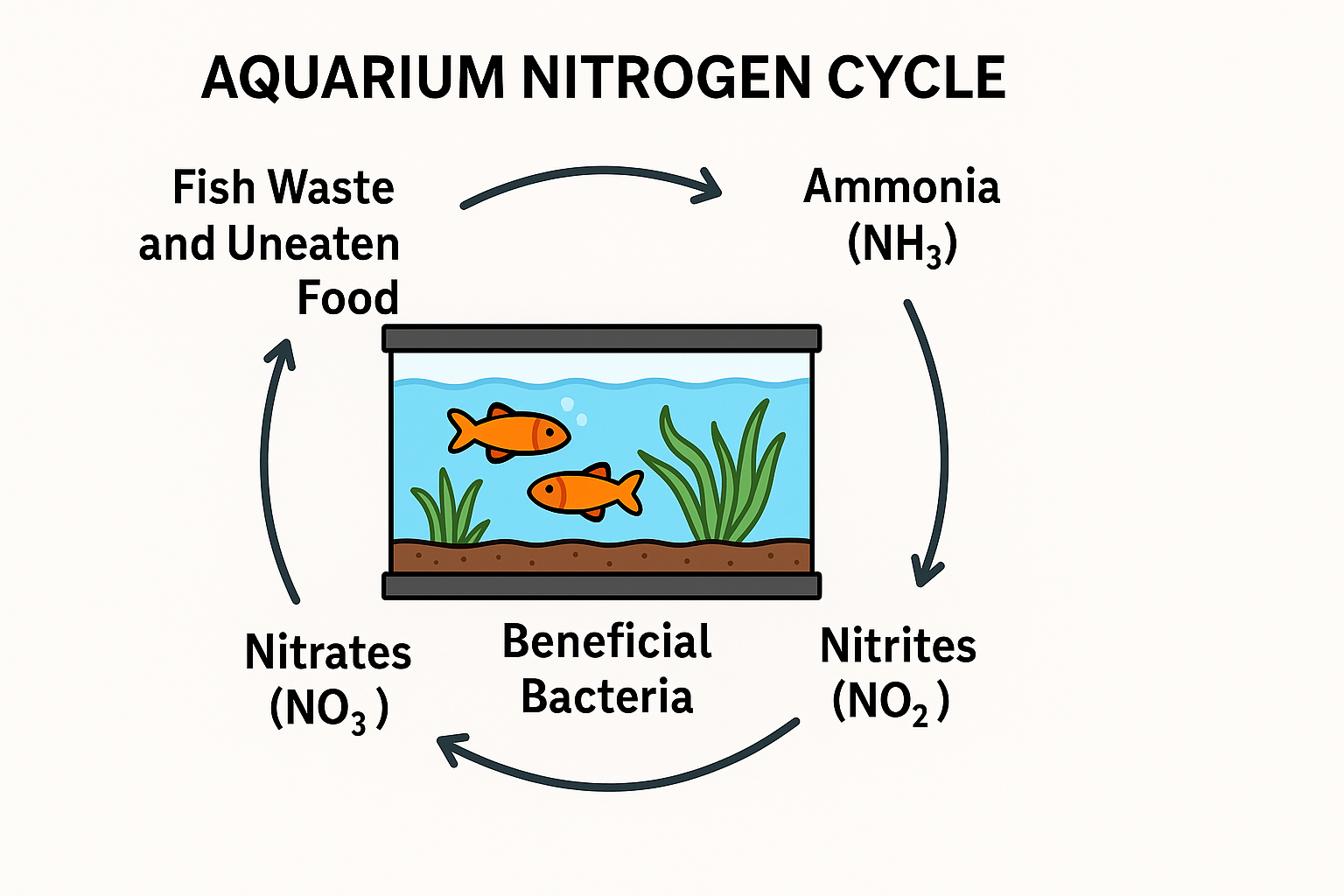
Nitrogen Cycle
If you're setting up a new fish tank, there's one critical step you can’t skip - cycling your aquarium. It's the process that prepares your tank to safely support aquatic life. Think of it as setting up the life support system for your fish.
Recent Posts
Stay Updated
Subscribe to our newsletter for the latest tank tips and updates.