
🐠 Pregnant Guppy Care Guide: Ensuring Healthy Fry
Guppies are prolific livebearers, making them a favorite among aquarium enthusiasts. Proper care during pregnancy ensures the health of both the mother and her fry.
🔍 Identifying a Pregnant Guppy
Recognizing pregnancy signs is crucial:
-
Gravid Spot: A darkened area near the anal fin that becomes more pronounced as pregnancy progresses.
-
Abdominal Changes: A noticeably enlarged, boxy abdomen.
-
Behavioral Shifts: Increased hiding, reduced appetite, and occasional aggression towards males.
🏠 Preparing the Environment
Creating a conducive environment minimizes stress:
-
Isolation: Use a breeder box or separate tank to protect the pregnant guppy and future fry.
-
Hiding Spots: Incorporate live plants like Java moss to offer shelter.
-
Water Parameters:
-
Temperature: Maintain between 78°F and 81°F.
-
pH Levels: Aim for a pH between 7.0 and 8.0.
-
🍼 Caring for the Fry
Post-birth care is vital for fry survival:
-
Immediate Separation: Remove the mother to prevent her from eating the fry.
-
Feeding:
-
First Few Days: Fry consume their yolk sacs.
-
Subsequent Feeding: Introduce baby brine shrimp, microworms, boiled egg yolk or finely crushed flake food.
-
🧬 Breeding Considerations
Understanding guppy reproduction aids in managing populations:
-
Gestation Period: Typically 28–35 days.
-
Fry Count: Ranges from 10 to 50 per birth.
-
Sperm Storage: Females can store sperm, leading to multiple pregnancies from a single mating.
By observing these guidelines, you can ensure the well-being of your pregnant guppy and her offspring, leading to a thriving aquarium community.
Related Posts

Fish Keeping in the Age of Ai
Fish keeping is more than a relaxing pastime—it's a journey into the balance of nature, chemistry, and design. From the vibrant flutters of guppies to the serene stillness of aquascaped tanks, this hobby offers peace, creativity, and an ever-growing world of discovery.
Read More →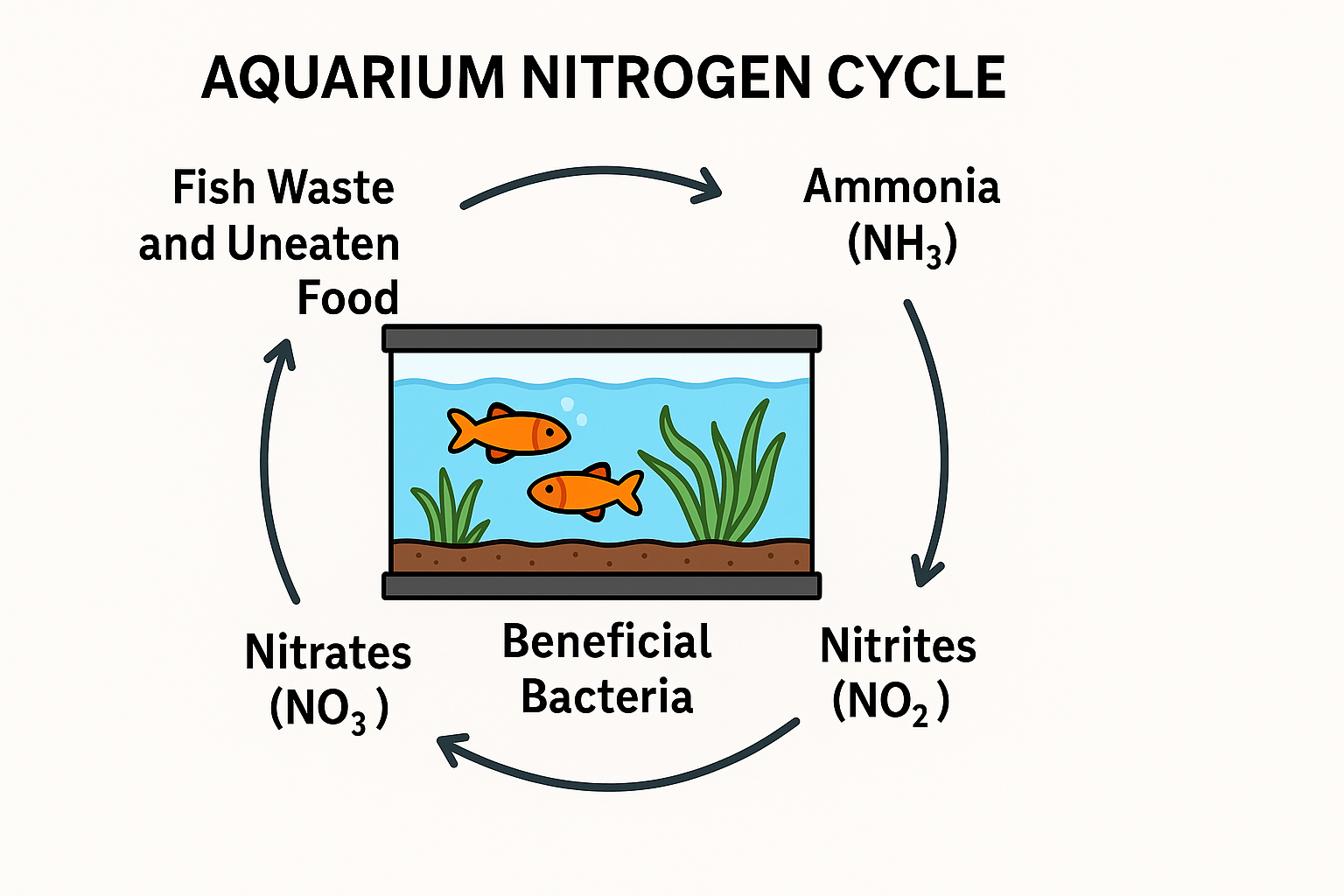
Nitrogen Cycle
If you're setting up a new fish tank, there's one critical step you can’t skip - cycling your aquarium. It's the process that prepares your tank to safely support aquatic life. Think of it as setting up the life support system for your fish.
Read More →
Recent Posts
Stay Updated
Subscribe to our newsletter for the latest tank tips and updates.